
“The First Implementation Node”
A smart environmental control system for indoor growing, designed as a practical expression of New Earth principles.
MicroGrow connects sensors, automation, and environmental awareness to support controlled growing systems.
It is more than a device. It is an early example of how technology can serve life rather than disconnect from it.
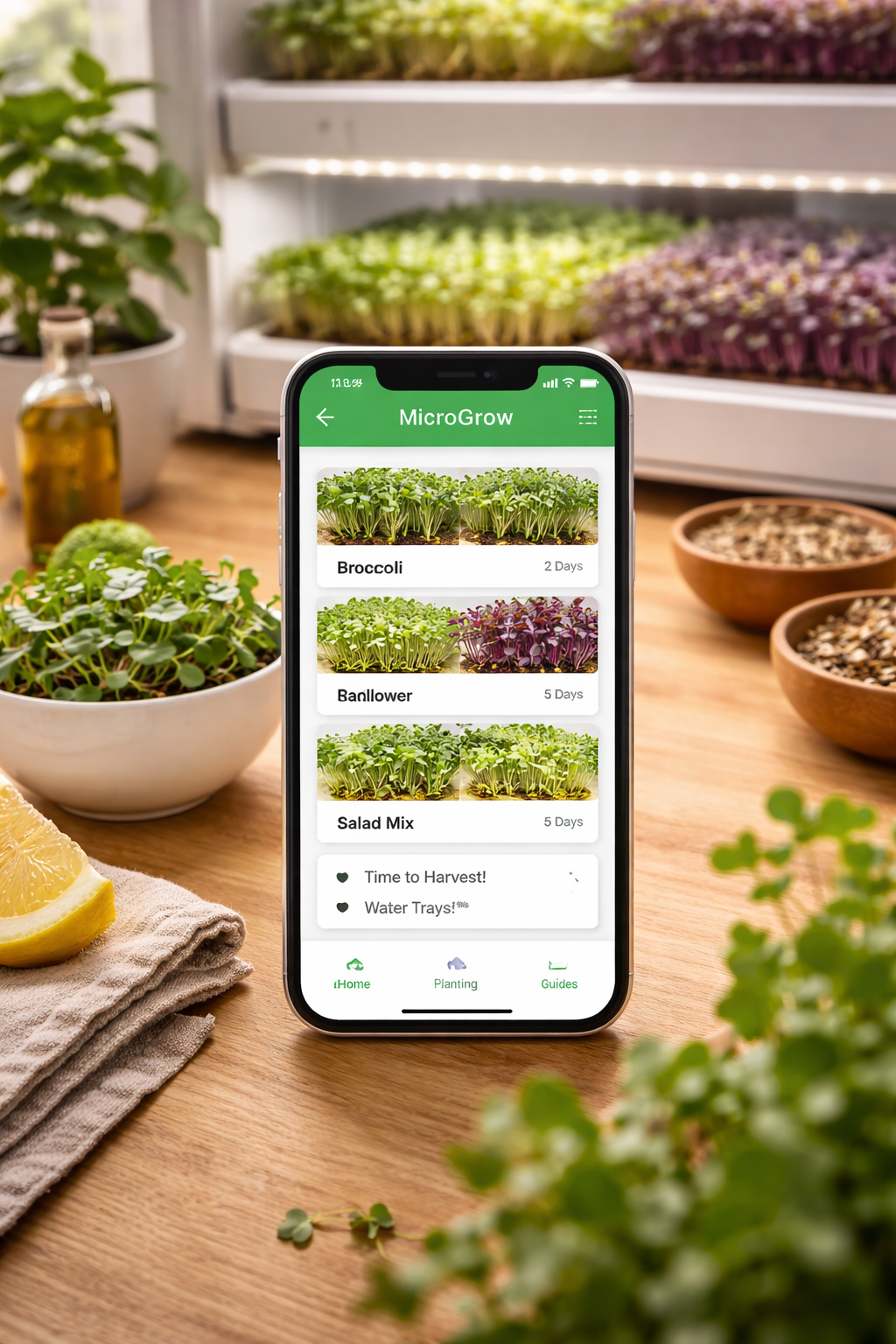
A Practical Tool For Life-supporting Environments
Section 1 – What Is MicroGrow?
MicroGrow is a modular environmental control system designed to help monitor and manage indoor growing conditions.
It brings together:
- Sensing
- Automation
- Environmental Awareness
- System Design
- Practical Control
Its purpose is to help create more stable, intelligent, and responsive growing environments.
Rather than treating growing as something separate from system thinking, MicroGrow treats the environment itself as a living system that can be observed, supported, and improved with care.
Technology Can Support Stewardship
Section 2 – Why MicroGrow Exists
Much of modern technology is designed for distraction, dependency, surveillance, or convenience without depth.
MicroGrow begins from a different intention.
It asks: how can technology be used to support life, learning, growing, and stewardship?
Indoor growing environments are small but meaningful ecosystems. They require attention, consistency, and understanding. MicroGrow exists to support that process through practical tools that connect awareness and action.
This is why it belongs naturally within New Earth. It is a small system designed in service of life.
Growing Environments Need Clarity and Control
Section 3 – The Problem It Addresses
Indoor growing can quickly become inconsistent when environmental conditions are difficult to monitor or manage.
Heat, humidity, lighting, airflow, and timing all affect plant health and system stability. Without good visibility and responsive control, the growing environment can become inefficient, stressful, or unstable.
MicroGrow addresses this by creating a structured system for:
- Monitoring Conditions
- Managing Outputs
- Improving Environmental Consistency
- Learning from Real Data
- Supporting Practical Growing Stewardship
It reduces guesswork and increases system awareness.
Designed for Visibility, Automation and Growth
Section 4 – Core Features
1. Environmental Monitoring
MicroGrow is designed to observe key growing conditions so that the environment becomes more visible and easier to understand.
2. Automation and Relay Control
It supports automated control of connected outputs such as lights, fans, pumps, and future modules.
3. Modular Architecture
The system is being developed with modular thinking so it can remain flexible, maintainable, and expandable over time.
4. Practical Interface Direction
MicroGrow is designed to work with intuitive interfaces that help translate environmental data into meaningful action.
5. Future Resilience Direction
The longer-term architecture aims toward stronger reliability, diagnostics, and scalable design.
MicroGrow is not separate from New Earth
Section 5 – How it fits the Blueprint
MicroGrow is the first practical implementation node within the wider New Earth framework.

It connects directly to several pillars:
1. Food and Agriculture
It supports more conscious relationship with growing and controlled plant environments.
2. Energy and Technology
It explores how technology can serve life, dignity, and environmental awareness.
3. Environment and Relationship with Nature
It supports more attentive interaction with living systems rather than detached consumption.
4. Education
It creates opportunities for learning through real-world systems, observation, and stewardship.
MicroGrow matters because it proves that New Earth can move from idea to implementation.
Small systems Create Meaningful Change
Section 6 – Why it Matters?
Civilizational redesign does not begin only with large institutions. It also begins with smaller systems that embody healthier principles.
A growing environment is one such system.
It involves:
- Care
- Attention
- Timing
- Energy
- Design
- Response
- Learning
- Relationship with Life
MicroGrow matters because it takes those elements seriously.
It offers a small but real demonstration of what happens when technology is used not to dominate life, but to support it.
Built Step by Step
Section 7 – Current Direction
MicroGrow is being developed progressively, with a focus on building stable foundations before adding unnecessary complexity.
The direction includes:
- Enviromenatl Monitoring
- Relay-based Control
- Modular Architecture
- Diagnostics and Reliability
- Clear Interfaces
- Future Scalability
This measured approach matters. A system aligned with New Earth should be built with care, not rush.
A Seed, not a Limit
Section 8 – Future Direction
MicroGrow is the first product node, not the final destination.
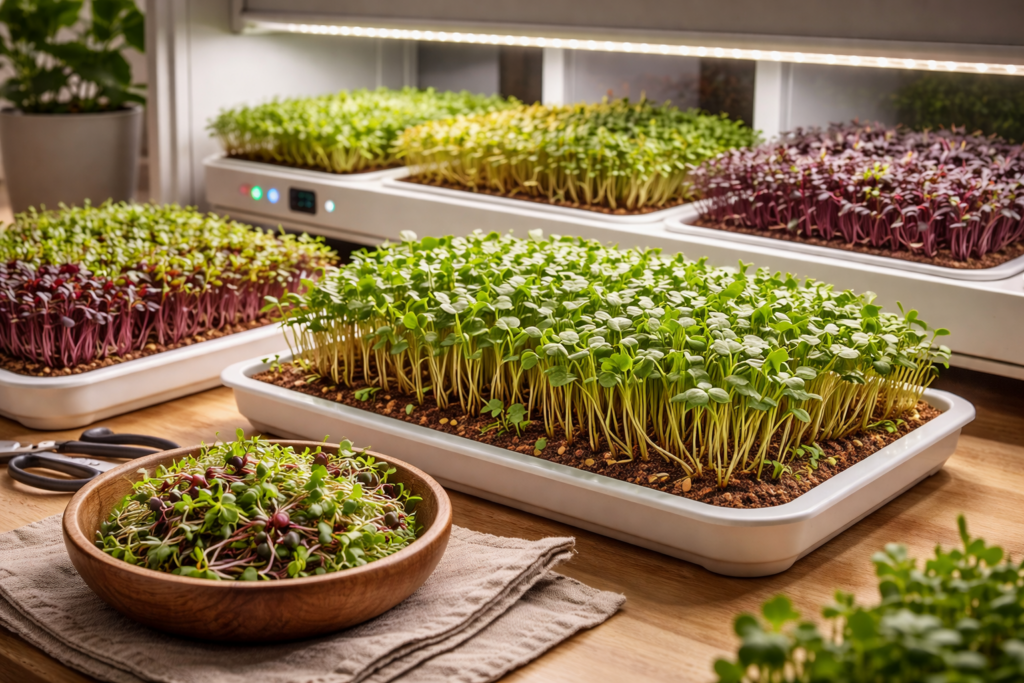
Over time, it may lead toward:
- More Advanced Growing Systems
- Learning Tools
- Distributed Environmental Control Systems
- Broader Life-supporting Product Ecosystem
- Deeper Integration with Future New Earth Tools and Platforms
It is intentionally small enough to build properly, and meaningful enough to anchor the wider vision.
MicroGrow is where Philosophy becomes a Working System
Section 9 – Closing Declaration
New Earth is committed to building structures that support life.
MicroGrow is the first product expression of that commitment: a practical environmental control system shaped by stewardship, systems thinking, and the recognition that technology can be aligned with life.
It is a real beginning.